
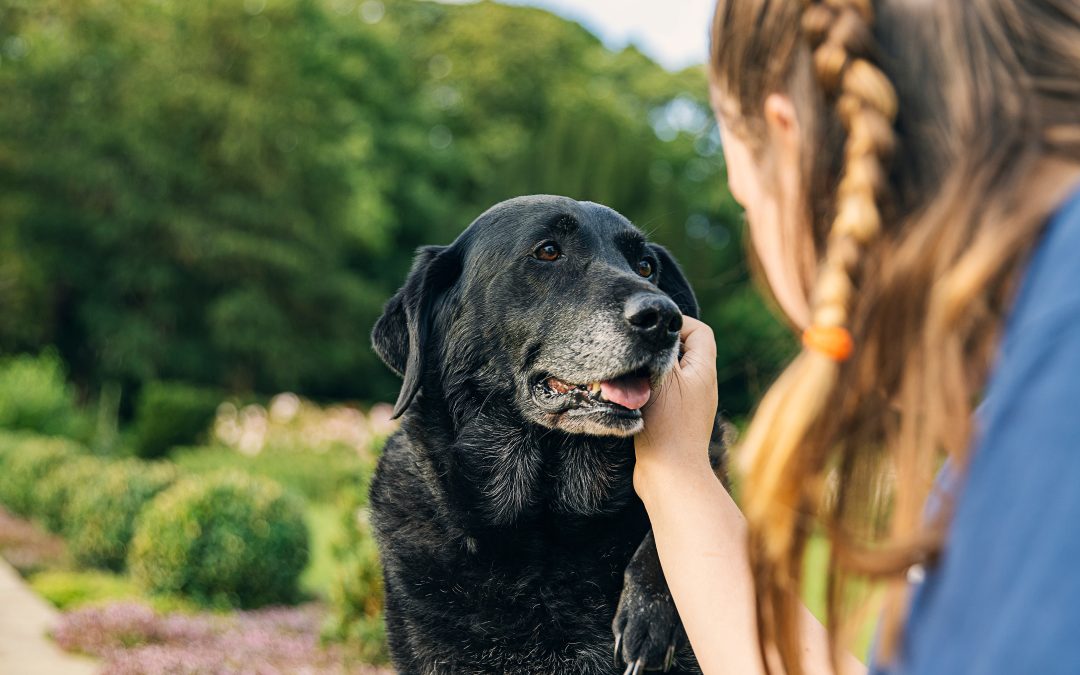
As your beloved pets age, they become more sensitive to their environment, particularly to the changing seasons. The transition from summer to fall or from winter to spring can significantly impact their health and well-being. Understanding these seasonal changes and how they affect senior pets is crucial to ensuring they stay comfortable and happy year-round.
Understanding the Effects of Temperature Fluctuations
Senior pets are more susceptible to temperature changes due to their aging bodies. As the seasons shift, the weather can become extreme—either too hot or too cold.
- Cold Weather: During winter, your senior pets may struggle to stay warm, especially if they have arthritis or other joint issues. Cold weather can exacerbate pain and stiffness in their joints, making it harder for them to move around comfortably. It’s important to keep your home warm and provide senior pets with cozy bedding to snuggle in.
- Hot Weather: Conversely, the summer heat can be overwhelming for older pets. Senior pets are at a higher risk of heatstroke, which can be fatal if not addressed quickly. Ensure they have access to cool water and a shaded area to rest. Consider walking senior pets during cooler times of the day to avoid excessive heat exposure.
The Impact of Daylight Changes
The length of daylight changes with the seasons, and this can affect your senior pet’s behavior and mood.
- Winter Blues: Just like humans, pets can experience seasonal affective disorder (SAD) during the shorter days of winter. Reduced sunlight can lead to lethargy and changes in appetite or sleep patterns. To counteract this, try to increase senior pets’ exposure to natural light during the day, or consider using pet-safe light therapy lamps to boost their mood.
- Spring and Summer: As days grow longer in spring and summer, your senior pets may have more energy and be more eager to spend time outdoors. However, it’s important to moderate their activity levels to prevent overexertion, especially in hot weather.
Allergies and Seasonal Changes
Seasonal allergies are not just a human concern; they can also affect senior pets, particularly during spring and fall.
- Pollen Allergies: In spring, pollen levels rise, which can trigger allergies in senior pets. Common symptoms include itching, sneezing, and watery eyes. If you notice these signs, it may be helpful to limit their outdoor time during high pollen days and to regularly clean their bedding and fur to remove allergens.
- Mold and Dust: In the fall, decaying leaves and increased humidity can lead to mold growth, which can also trigger allergies in senior pets. Keeping your home clean and dry can help reduce exposure to mold spores.
Statistics show that 10-15% of pets suffer from environmental allergies, with symptoms often worsening with age. This makes it even more important to monitor your senior pets for signs of discomfort during allergy seasons.
The Importance of Regular Veterinary Checkups
As your pets age, regular veterinary checkups become increasingly important, particularly during seasonal transitions. These visits can help detect early signs of seasonal issues, such as arthritis flare-ups in winter or heat sensitivity in summer.
- Tailored Care: Your vet can recommend specific treatments or lifestyle changes tailored to your senior pet’s needs. For example, they might suggest supplements for joint health during the colder months or advise on how to keep your pet cool during summer.
According to the American Veterinary Medical Association, senior pets should have checkups at least twice a year to monitor their health and adjust their care as needed.
Ensuring a Comfortable Environment Year-Round
To keep your senior pets comfortable throughout the year, it’s essential to adjust their living environment according to the season.
- Winter: Provide extra blankets or heated pet beds to keep them warm. You might also consider using a humidifier to prevent dry skin during the cold months.
- Summer: Ensure they have plenty of fresh water and a cool, shaded area to relax. Cooling mats or fans can also help regulate their body temperature.
Additionally, maintaining a consistent routine is crucial for senior pets, as sudden changes in their environment or daily schedule can cause stress. Keeping their feeding, exercise, and sleeping schedules regular will help them adapt more easily to seasonal changes.
Helping Your Senior Pet Thrive Through Every Season
By being mindful of the seasonal changes and how they impact your senior pets, you can make simple adjustments to ensure their comfort and health throughout the year. Whether it’s keeping them warm in the winter, cool in the summer, or managing their allergies during spring and fall, your attentive care will help them thrive at every stage of their life.
As your pet’s needs change with age and the seasons, staying proactive in their care will ensure they continue to enjoy a happy, healthy life by your side. Remember, a little extra attention can go a long way in making your senior pets feel loved and cherished, no matter the weather.