
Pet Nutrition Series – Part 3: Myths and Misconceptions About Pet Food
With so many buzzwords in the pet food industry, it’s easy to get misled. Let’s clear up some common myths about feeding dogs and cats.
-
“Holistic” Means Healthier
The word holistic sounds good, but as we already discussed in part 2, no definition of the term has been accepted by the pet food industry. Any company can use it as a marketing term. While “holistic” in theory means “supporting the whole body,” the word itself doesn’t guarantee better nutrition for your pet. Therefore, you need to make sure the company you are getting food from is trustworthy and their holistic meaning matches what you are looking for!
-
Organic Pet Food is Always Better
Organic ingredients follow USDA rules for human food, but organic standards are not fully defined for pet food. Just because a food is labeled organic doesn’t mean it’s more complete or balanced for your cat or dog. Nutritional balance and completeness is dependent on the composition of nutrients in the food. Organic refers to how ingredients are grown, harvested, and processed. Here are some common labels you may find:
- “Organic” – if 95-100% of content is organic by weight (excluding salt and water)
- “Made with Organic” – If at least 70% of the content is organic. Can cite up to three specific ingredients or classes of ingredients on the front panel BUT cannot use the USDA official organic seal.
- If less than 70% of the content is organic those organic ingredients my be listed and only listed on the ingredients panel.
-
Raw Diets Are More Natural
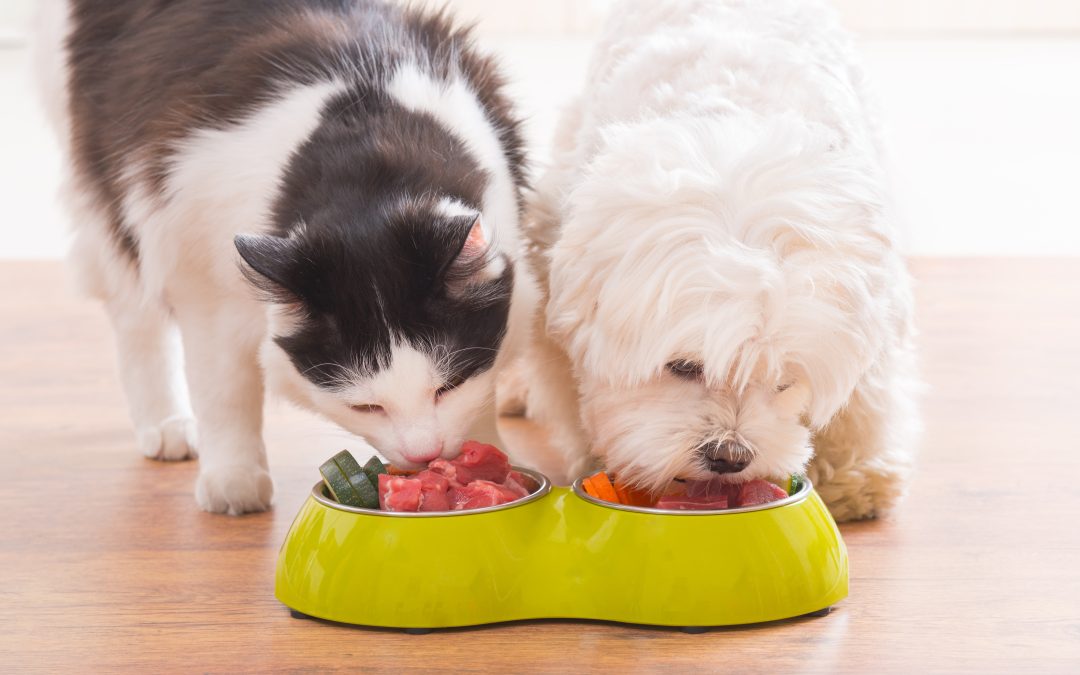
Raw diets (also called BARF diets—Biologically Appropriate Raw Food or Bones And Raw Food diets) aim to mimic what pets might eat in the wild. These diets can contain variable combinations of raw meats, grains, vegetables and bones. While some pets seem to thrive on raw food, there are real concerns:
- Nutrition: Unless formulated by a veterinary nutritionist, raw diets may lack essential nutrients. Cats, for example, must have taurine, which is sometimes deficient in raw formulations.
- Food Safety: Raw meat can carry Salmonella or E. coli, which can make both pets and people sick. Certain dog breeds and cats with weaker immune systems are especially vulnerable.
- Human Health: Families with children, elderly relatives, or immunocompromised members should be extra cautious if feeding raw diets.
If you do choose raw, it’s essential to practice strict food hygiene—wash dishes, hands, and surfaces after every meal.
-
Byproducts and Fillers Are Always Bad
Not necessarily!
- Meat vs. Meat Meal: Meat meal is simply dehydrated meat, as with all ingredients the origin determines the quality. It often provides a more concentrated protein source than whole meat, and therefore can be added in greater quantities to dry foods to achieve higher protein levels.
- Byproducts: In pet food, byproducts typically mean organ meats like liver or kidney, which are packed with nutrients. Feathers and beaks are not allowed. For cats, these organ meats provide vital amino acids like taurine.
- Fillers: Ingredients like corn, rice, or beet pulp are often labeled “fillers,” but they actually provide valuable fiber and energy when included in balanced amounts.
Can You See the Difference?
If you lined up ten healthy dogs or ten healthy cats, you wouldn’t be able to tell who’s eating “grain-free,” “organic,” or “holistic” food. What matters most is that the food is complete, balanced, and appropriate for your pet’s age, activity, and health. I do understand that most of us have our preferences here and feed strongly about feeding certain types of foods, but it is important to know the ins and outs so we can make our own decisions without all the fancy marketing!
The Takeaway: Marketing terms don’t tell the full story. Look for AAFCO-approved diets from reputable companies, and talk to your veterinarian about what’s best for your dog or cat.
Cheers!
Dr. Mordasky