
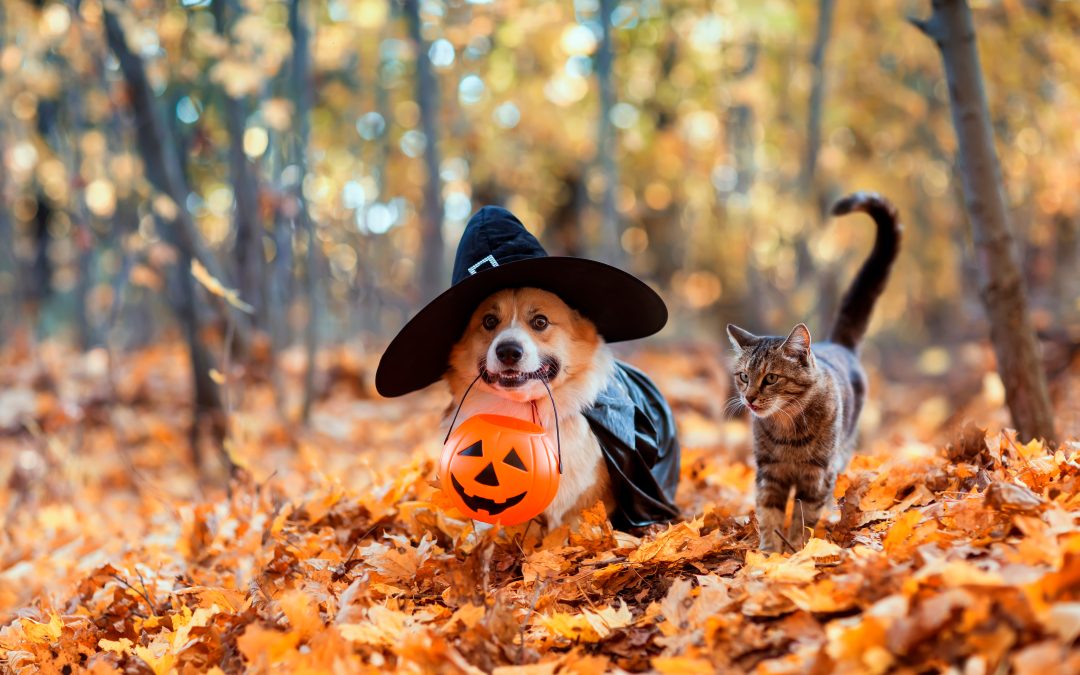
Halloween is an exciting time filled with costumes, candy, and spooky fun, but it can be a stressful experience for pets. The unusual sights and sounds, combined with frequent doorbell ringing, can cause anxiety for many animals. Ensuring your pet has a stress-free holiday is crucial for their well-being. This guide on preparing your pet for Halloween will help you create a safe and enjoyable experience for your furry friend.
Understand Your Pet’s Tolerance for Halloween Activities
Before diving into Halloween festivities, it is important to assess your pet’s comfort level with new experiences. Some pets are naturally more anxious, and the chaos of Halloween may overwhelm them.
- Consider Your Pet’s Personality: If your pet is skittish or easily frightened, it might be best to keep them away from the main events.
- Introduce Costumes Early: If you plan to dress your pet in a costume, introduce it gradually. Let them sniff and explore the costume before trying it on. Ensure it fits well and does not restrict movement or breathing.
According to the American Veterinary Medical Association, about 68% of pets experience stress or anxiety due to new experiences or environments. Taking proactive steps to ease your pet into the holiday can make a big difference in their comfort level.
Create a Safe Space
One of the best ways to ensure your pet remains calm during Halloween is to provide a safe, quiet space where they can retreat if they feel overwhelmed.
- Set Up a Quiet Room: Choose a room in your home that is away from the front door and trick-or-treaters. Fill it with your pet’s favorite toys, bedding, and some calming background music to drown out the noise.
- Use Calming Aids: Consider using pet-safe calming aids like pheromone sprays or diffusers. Studies show that 33% of pet owners use calming products to help reduce their pet’s anxiety during stressful events.
Keep Your Pet Away from Halloween Treats
Halloween treats may be delicious for humans, but they can be dangerous for pets. Chocolate and certain artificial sweeteners, like xylitol, are toxic to animals.
- Store Candy Out of Reach: Ensure all Halloween candy is kept out of your pet’s reach. Even small amounts of chocolate can be harmful.
- Offer Pet-Safe Treats: Instead of letting your pet feel left out, provide them with their own Halloween-themed treats. Many pet stores offer safe, tasty snacks specifically for the holiday.
The Pet Poison Helpline reports a 12% increase in emergency calls related to chocolate ingestion by pets during Halloween. Taking precautions can prevent a trip to the emergency vet.
Plan for Trick-or-Treaters
The constant ringing of the doorbell and the arrival of strangers in costumes can be alarming for pets. Preparing your pet for Halloween includes making a plan for how to handle the evening’s activities.
- Limit Doorbell Noise: If possible, sit outside to greet trick-or-treaters so the doorbell is not constantly ringing. Alternatively, disable the doorbell and use a sign to direct trick-or-treaters to knock softly.
- Keep Your Pet Secure: Make sure your pet is secured indoors during the evening. If you are concerned about them escaping, double-check that their identification tags are up-to-date. Microchipping provides an added layer of security.
Preparing Your Pet for Halloween is a Team Effort
Getting your pet ready for Halloween is not just about keeping them safe; it is about ensuring they feel secure and comfortable throughout the holiday. By understanding your pet’s needs, creating a calming environment, and being vigilant about potential hazards, you can make Halloween a positive experience for both you and your pet.
Remember, preparing your pet for Halloween is an ongoing process. Pay attention to their cues, and do not hesitate to modify your plans to keep them happy and stress-free.