
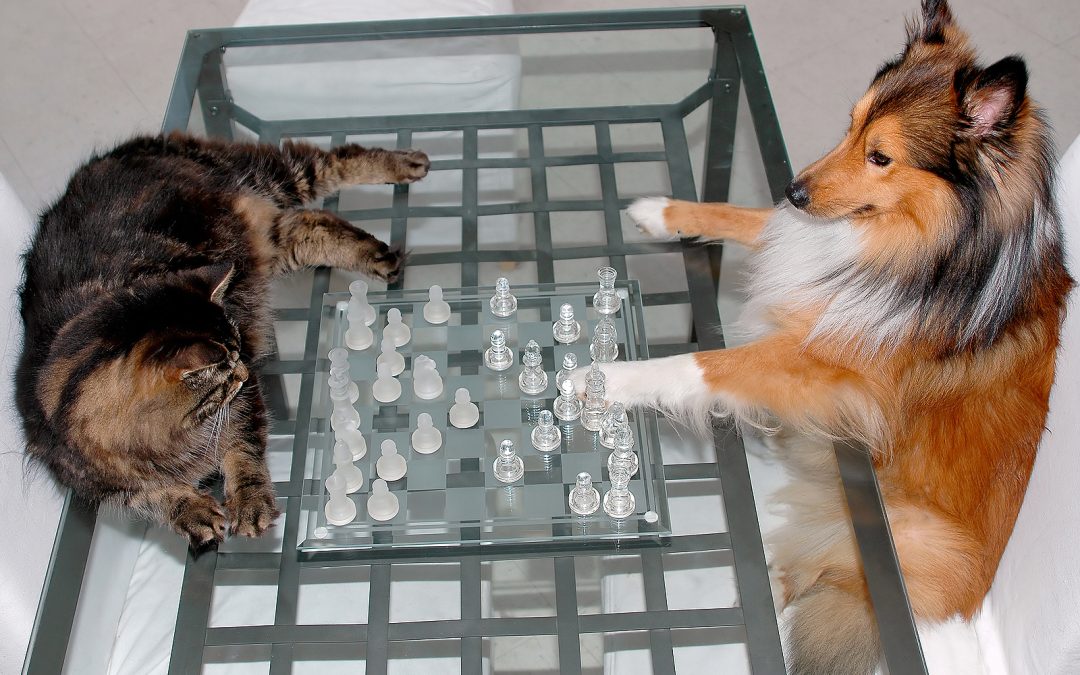
Ensuring your pets are getting enough enrichment is important for their physical and mental well-being. Much like humans, pets thrive when they are mentally stimulated and physically active. Pet enrichment involves providing opportunities for animals to engage in natural behaviors, problem-solving activities, and physical exercise. Without it, pets can develop boredom, anxiety, and even destructive behaviors.
The Importance of Pet Enrichment
Pet enrichment is not just about keeping your pets busy. It plays a crucial role in their overall health. Mental stimulation can improve cognitive function, especially as pets age. Regular enrichment helps pets stay engaged, reducing the risk of anxiety-related behaviors. According to recent studies, dogs with regular mental and physical stimulation are less likely to develop behavior problems, making enrichment a key component of a balanced pet care routine.
For example, one study found that dogs who receive daily enrichment are 30% less likely to exhibit signs of anxiety and destructive behavior than those who do not. This highlights the importance of pet enrichment in maintaining your pet’s happiness and well-being.
Signs Your Pet May Need More Enrichment
It’s often easy to overlook the signs that your pet is craving more stimulation. Here are a few common indicators that your pet may need more enrichment:
- Destructive behaviors such as chewing furniture or scratching carpets
- Excessive barking or meowing
- Pacing or repetitive actions
- Signs of anxiety or depression, such as hiding or lethargy
- Obesity or lack of physical exercise
If any of these behaviors seem familiar, it might be time to increase the amount of enrichment your pet receives.
Ways to Incorporate Enrichment into Your Pet’s Routine
Enrichment doesn’t have to be complicated. There are numerous simple yet effective ways to stimulate your pet’s mind and body. Here are some ideas to get started:
- Interactive Toys: Puzzle feeders, treat-dispensing toys, and interactive games provide mental challenges for your pets. These toys encourage problem-solving and reward your pets with treats when they figure out the task.
- Exercise: Regular walks, play sessions, or even agility training are excellent forms of physical enrichment. Studies show that dogs who exercise for at least 30 minutes a day tend to have fewer behavioral problems.
- New Environments: Taking your pet to different parks, walking paths, or even letting them explore different rooms in the house can be enriching. New smells, sounds, and sights keep your pet engaged and curious.
- Training Sessions: Teaching your pet new tricks or reinforcing old ones is a great way to mentally stimulate them. Even simple commands like “sit” or “stay” can help reinforce focus and discipline.
- Sensory Stimulation: Incorporate different textures, scents, and sounds into your pet’s environment. You could try adding new pet-safe plants to their play areas or playing music designed for animals.
The Role of Social Interaction in Pet Enrichment
Socialization is another important aspect of enrichment. For many pets, interacting with other animals or humans is key to their well-being. Dogs, for instance, are pack animals and need regular interaction with other dogs or humans to stay happy. Cats, though more independent, also benefit from social play and interaction.
Regular social interaction can prevent loneliness and boredom. Studies show that socially active dogs are 40% more likely to live longer and healthier lives than those with limited socialization opportunities.
If your pet is shy or anxious around other animals, start slowly with supervised playdates or short visits to pet-friendly areas. For pets that enjoy solitude, consider scheduling more one-on-one time with you to keep them engaged and happy.
Ensuring Your Pet’s Long-Term Happiness
Pet enrichment should be a regular part of your pet’s routine. Like humans, pets need a balance of rest, exercise, mental stimulation, and socialization. By providing a variety of enrichment activities, you can ensure your pet lives a happy, healthy, and fulfilling life.
For those who are new to pet enrichment, start small. Incorporate one or two new activities each week and observe how your pet responds. Some pets may take time to adapt, while others might show immediate interest in their new toys, environments, or social opportunities.
Keeping Your Pet Engaged for Life
By staying attentive to your pet’s needs and making adjustments as needed, you’ll not only improve their quality of life but also strengthen the bond you share with them. Enrichment is a vital aspect of responsible pet ownership, offering your pets the mental and physical stimulation they need to thrive.