
What is Leptospirosis?
Leptospirosis is a bacterial disease that affects dogs and can pose serious health risks. It is most commonly spread through the urine of infected wildlife, such as rats, raccoons, skunks, and mice, animals frequently found in Connecticut. Unfortunately, even dogs that only have access to small grassy or mulched areas can be exposed.
At Hebron Veterinary Hospital, we see multiple cases of leptospirosis each year. Given its prevalence, we are adopting the American College of Veterinary Internal Medicine’s (ACVIM) recommendation to classify leptospirosis as a core vaccine for dogs.
How Do Dogs Get Leptospirosis?
Leptospira bacteria thrive in wet, warm environments. This means springtime, when snow melts and rain saturates the ground, creates a perfect breeding ground for infection. The bacteria are most often found in:
- Stagnant or slow-moving water (puddles, ponds, or ditches)
- Saturated soil
- Moist grassy or mulched areas
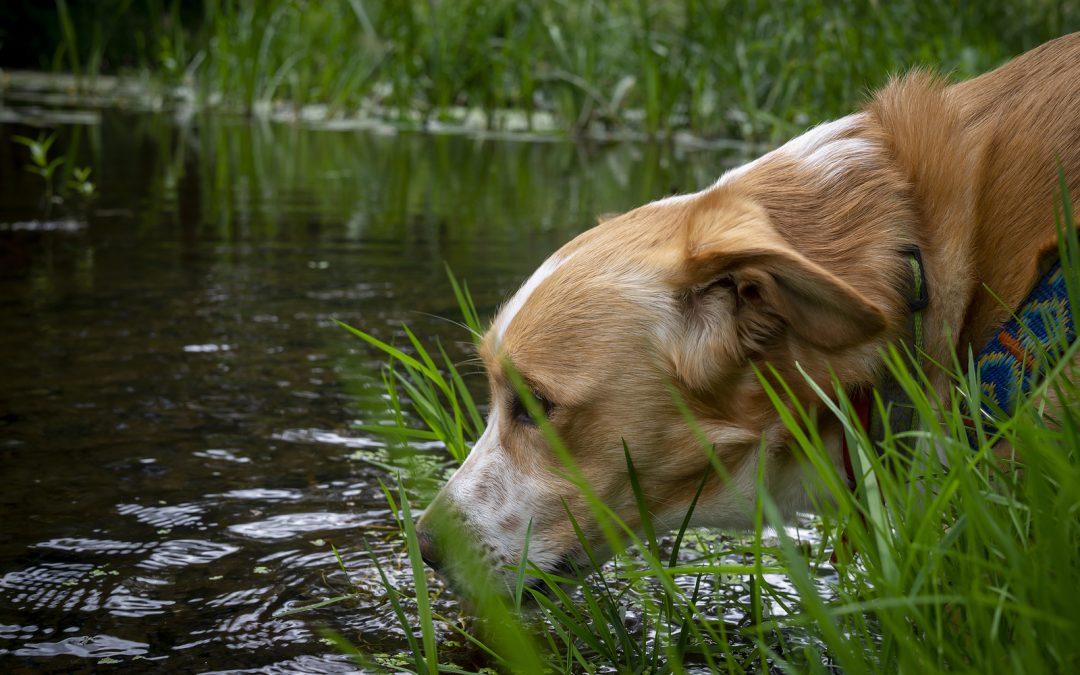
Dogs become infected when they drink, walk through, or even sniff contaminated water or soil. The bacteria enter through the mouth and nose.
Symptoms of Leptospirosis in Dogs
Leptospirosis can cause a wide range of symptoms, from mild illness to severe organ failure. Some dogs may only carry the bacteria without showing symptoms, but others may develop:
- Increased thirst and urination
- Lethargy and weakness
- Vomiting and diarrhea
- Fever and muscle pain
- Jaundice (yellowing of the skin and eyes)
- Kidney and liver failure
In rare cases, leptospirosis can also cause eye inflammation (uveitis), myocarditis (heart inflammation), pancreatitis, meningitis, or arthritis.
Leptospirosis is a Zoonotic Disease – Humans Can Get It Too!
Leptospirosis is zoonotic, meaning it can spread from animals to humans. People can contract the disease by coming into contact with infected urine either from wildlife or from their own dog. Symptoms in humans range from mild flu-like illness to severe liver or kidney disease.
Prevention: Vaccination is the Best Protection
The good news is that leptospirosis is preventable with a highly effective annual vaccine. Here’s what you need to know:
- Initial vaccination requires two doses given 3 to 4 weeks apart.
- After the initial series, a single booster is needed yearly.
- The vaccine is safe and strongly recommended for all dogs in our area, especially those that spend time outdoors.
At Hebron Veterinary Hospital, we strongly recommend leptospirosis vaccination for all dogs due to the exposure risk in Connecticut.
Treatment: Leptospirosis is Treatable with Early Care
If your dog is diagnosed with leptospirosis, treatment usually includes:
- Antibiotics, such as doxycycline, which effectively clear the infection
- Supportive care, including IV fluids and medications to protect the kidneys and liver
Early detection and treatment significantly improve outcomes.
Spring is the peak season for leptospirosis exposure, making now the perfect time to ensure your pet is protected.
To schedule a vaccination appointment or learn more, call Hebron Veterinary Hospital at (860) 228-4324.
Protect your pet, protect your family, vaccinate against leptospirosis today!
Dr. Mordasky