
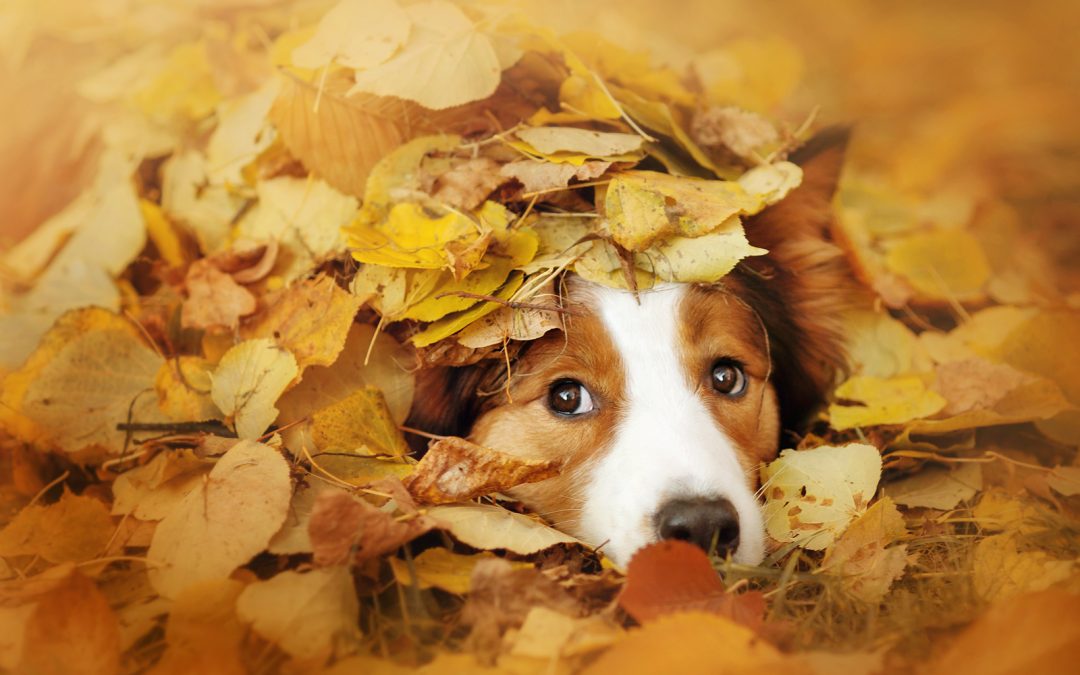
As the leaves change color and the air becomes crisp, many pet owners might notice their pets showing signs of discomfort. Autumn is a time when allergens are prevalent, causing symptoms in pets similar to those experienced by humans. Understanding autumn allergies and how to manage your pet’s symptoms can significantly improve their well-being during this season.
Common Symptoms of Autumn Allergies in Pets
Autumn allergies can manifest in various ways, depending on the allergen and the pet’s sensitivity. Some of the most common symptoms include:
- Itchy skin: Pets may excessively scratch, lick, or bite their skin, leading to redness, hair loss, or even sores.
- Watery eyes and nasal discharge: Just like in humans, pets may experience watery eyes and a runny nose due to allergens in the air.
- Sneezing and coughing: Pets may sneeze or cough frequently, indicating irritation in their respiratory system.
- Ear infections: Allergies can cause inflammation in the ears, leading to frequent ear infections.
- Digestive issues: Some pets may develop gastrointestinal problems, such as vomiting or diarrhea, due to allergies.
According to a study, nearly 10% of dogs suffer from some form of seasonal allergy, including those related to autumn allergens .
Identifying the Triggers
To effectively manage your pet’s autumn allergies, it’s crucial to identify the specific allergens causing the symptoms. Common autumn allergens include:
- Pollen: As plants release pollen during the fall, pets can inhale these particles, leading to allergic reactions.
- Mold: Mold spores thrive in damp, fallen leaves and decaying vegetation, which can trigger allergic responses in pets.
- Dust mites: These tiny creatures are present in many homes and can become more active during the fall as pets spend more time indoors.
If you notice your pet’s symptoms worsen during autumn, it’s likely they are reacting to one or more of these allergens. Keeping track of when symptoms appear can help pinpoint the specific trigger.
Effective Ways to Manage Autumn Allergies
Once you’ve identified the likely allergens, several strategies can help manage your pet’s symptoms:
- Frequent Bathing: Regular baths can help remove allergens from your pet’s skin and coat. Use hypoallergenic shampoos designed for pets with sensitive skin.
- Wipe Down After Walks: After outdoor activities, wipe your pet’s fur and paws with a damp cloth to remove any pollen or mold spores they might have picked up.
- Keep Living Areas Clean: Vacuum regularly, wash your pet’s bedding frequently, and use air purifiers to reduce the number of indoor allergens.
- Consult Your Veterinarian: If your pet’s symptoms are severe, consult your veterinarian. They may recommend antihistamines, fatty acid supplements, or even allergy shots to help manage the symptoms.
A survey found that over 40% of pet owners reported success in managing their pet’s allergies by using these methods .
The Importance of Regular Vet Check-Ups
While it’s possible to manage many allergy symptoms at home, regular vet check-ups are essential. Your veterinarian can perform tests to determine the specific allergens affecting your pet and prescribe appropriate treatments. Moreover, some symptoms that appear to be allergies might indicate other underlying health issues that require professional attention.
Helping Your Pet Enjoy the Season
Autumn is a wonderful time of year, and with the right care, your pet can enjoy it just as much as you do. By understanding the causes and symptoms of autumn allergies, you can take proactive steps to keep your pet comfortable and healthy. Be sure to monitor your pet’s condition and adjust their care as needed so they can continue to enjoy the cool, crisp days of fall without discomfort.